Amruta Week 1 - Jayne-iffer's Body
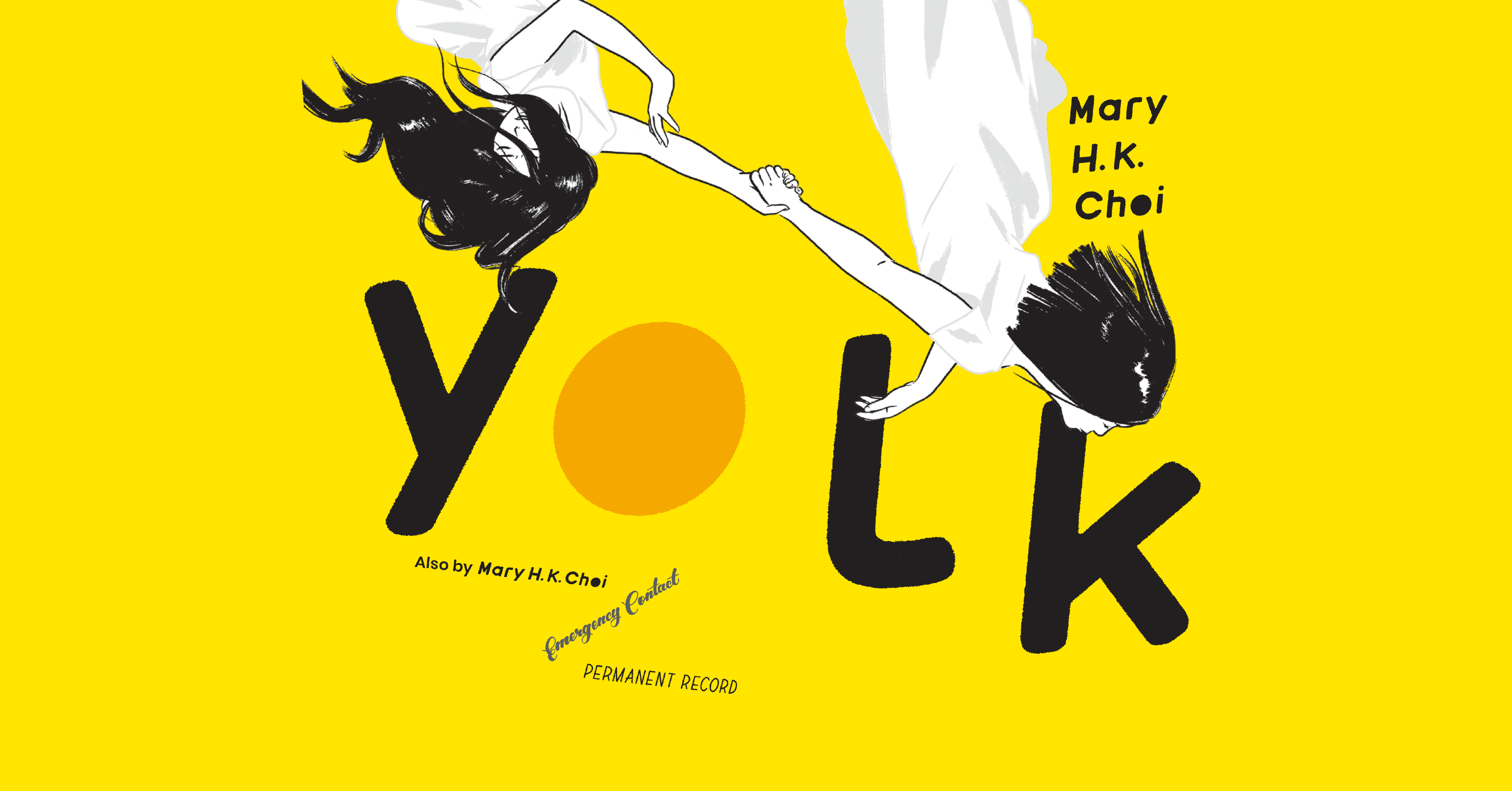
Jayne is a Korean-American design school student in New York with few friends, a crappy apartment, and lots of issues. Her older sister June has all the love and adoration from their parents back home in Texas; a well-paying finance job and expensive high-rise apartment; and a diagnosis of ovarian cancer.
It’s the premise for Mary H. K. Choi’s book Yolk, which follows Jayne as she reconnects with her estranged sister after hearing the news of her cancer. The book is told in first-person, and I was struck by how it feels so realistic and crazy at the same time. Jayne starts off with a few traits that are easy for the reader to pick out. You can find her Korean heritage when she points out ingredients in the fridge; her eating disorder first hinted at in mentions of weight and food; and her prickly sarcasm when she argues with her sister.
But it all becomes so much more. Being Korean-American for Jayne means literally struggling to speak to her parents, getting her weight scrutinized by church aunties, and navigating the quintessential second-generation immigrant question of, “How white and how ethnic do I need to be?”
Her eating disorder is painfully exposed when she describes a binge-eating episode in vivid, sensory detail. One of the sentences I felt really deeply came from June, when she talks to Jayne in an effort to intervene. She says something along the lines of, “I’ve seen the Ziploc bags under your bed.” Jayne thinks to herself, the bags of vomit from high school, reserved for when June was in the bathroom or she was just having a really rough time. I have no perfect words for what the image makes me feel, but sad is a close one.
Jayne also is confusing as a person. I read some reviews of the book online, and there’s also a general consensus that she’s unlikable, but that’s what I found pretty compelling. When her roommate (slash ex-boyfriend slash open relationship) brings home a girl, Jayne roots through her bag and throws out her perfume. Is it petty? Yes. Is it anti-feminist? Probably. But on some deep, rotten level, it’s relatable. One of the other moments that was startling to me was when Jayne recalls a friend she had in high school who would throw up her meals. Jayne says that she knew her friend wanted her to ask, so she didn’t.
And that’s kind of what draws me into this book. Even with all these aspects to her identity that threaten to overwhelm her own personality, Jayne carries so much rawness and depth. She acknowledges (and to an extent, is affected by) stereotypes, but she ultimately exists outside them as her own human, albeit a pretty messed-up one. It’s an interesting read, but be warned of triggers.


Comments
Post a Comment